






















Sign up for emails to get the scoop on new arrivals, special sales and more. Get 2 USD off for all products!
Wall art
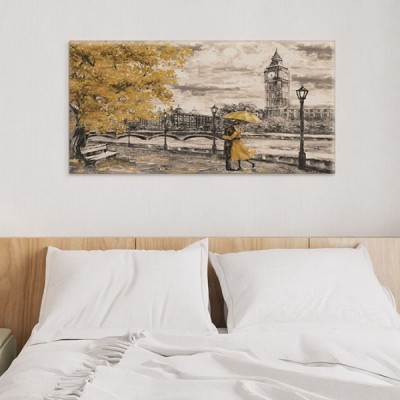
Transforming your living space into a personal gallery becomes effortless when you choose the right accents for your home. Our collection features a diverse range of wall paintings designed to bring color, texture, and character to any blank surface in your residence. Whether you are looking to create a sophisticated focal point above a living room sofa or add a touch of warmth to a minimalist bedroom, these pieces serve as the perfect finishing touch. Many homeowners find that carefully selected decorative paintings provide an immediate sense of completeness to a room, acting as a bridge between your furniture and the surrounding architecture. If you prefer a clean and uncluttered look for your hallway, our curated wall art selections offer timeless elegance that remains relevant through changing interior design trends. Each item reflects a commitment to aesthetic quality, helping you cultivate an environment that feels welcoming and uniquely yours.
read more
Filters and categories
Browse by:
Color
Filters and categories
Wall art [results: 4992]
Sort by:
Bestsellers
Wall art
Wall paintings serve as the primary focal point for any interior, offering a unique way to inject personality and color into a living space. These artistic additions do more than just fill empty space; they anchor the visual flow of a room and reflect the aesthetic values of the inhabitants. By choosing specific wall paintings, a homeowner can establish a sophisticated atmosphere that ranges from modern minimalism to classic elegance. The variety of styles available ensures that every individual can find a piece that resonates with their personal taste and complements their existing furniture. High-quality decorative paintings act as a bridge between structural design and cozy habitation, turning a house into a curated home.
Best Locations for Displaying Wall Paintings
Living rooms are the most frequent settings for these items, where a large-scale piece often hangs above a sofa to provide a central anchor for the entire social area. In these open spaces, the scale of the artwork matters immensely, as it needs to balance the weight of the furniture without overwhelming the surrounding architecture. Many decorators also choose to place wall paintings in hallways or transitional zones, using the art to create a visual journey that guides guests from one room to another. Small alcoves or reading nooks also benefit from smaller, more intimate compositions that invite closer inspection and quiet reflection.
Dining rooms and master suites offer a different context for displaying wall art, focusing more on mood and ambiance than sheer visual impact. In a dining setting, a series of cohesive pieces can stimulate conversation and provide a backdrop for evening gatherings, while in a bedroom, calming subjects and softer palettes help promote a sense of tranquility. Using wall paintings in a home office is another growing trend, as professionals seek to create a backdrop for video calls that looks polished and professional. Whether placed in a high-traffic entryway or a private study, these pieces serve as essential markers of style and character.
Materials and Construction of Modern Wall Paintings
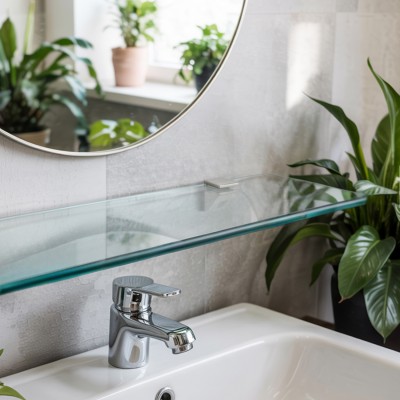
The foundation of these pieces often involves high-grade canvas or specialized paper, each providing a different texture and depth to the final image. Many contemporary wall paintings utilize archival inks that are designed to resist fading, ensuring that the vibrancy of the colors remains intact for many years. The structural integrity of the piece is usually supported by internal wooden frames or external decorative borders that provide tension and prevent warping over time. For those seeking a different texture, glass prints offer a sleek, reflective surface that works exceptionally well in kitchens or modern bathrooms where moisture resistance might be a factor.
Advanced printing techniques allow for incredible detail, capturing the fine brushstrokes and subtle gradients that were once only possible with manual techniques. Some variants incorporate mixed media elements, adding physical texture or metallic accents that catch the light from different angles throughout the day. In contrast to more traditional options, canvas prints provide a classic, textured appearance that diffuses light and reduces glare in brightly lit rooms. The choice of material impacts not only the visual weight of the art but also how it interacts with the specific lighting conditions of the installation site.
Maintenance and Durability of High-Quality Wall Paintings
Maintaining the pristine appearance of your collection involves regular dusting with a soft, dry cloth to prevent the buildup of airborne particles that can dull the finish. It is important to avoid using harsh chemical cleaners or water on the surface of most wall paintings, as moisture can seep into the fibers and cause permanent damage or staining. Proper placement away from direct, harsh sunlight is also a key factor in longevity, as even the most durable pigments can eventually shift under constant ultraviolet exposure. Checking the tension of the canvas and the stability of the mounting hardware once a year ensures the piece remains safely and squarely positioned.
Quality signals often include the weight of the frame and the thickness of the substrate, which indicate a product built to withstand environmental changes like humidity fluctuations. A well-constructed piece will not sag or pull away from its corners, maintaining a sharp, professional look regardless of the season. When selecting wall art, looking for sturdy backings and secure hanging systems provides peace of mind that the installation will remain a permanent fixture of the home. By prioritizing durability in the selection process, buyers ensure that their investment continues to provide aesthetic value without requiring frequent replacements or repairs.
Decision Factors When Choosing New Wall Paintings
One of the most critical factors to weigh is the proportion of the piece relative to the wall it will occupy, as a tiny frame on a massive wall can feel lost, while an oversized piece may make a small room feel cramped. Buyers must also consider the existing color palette of their space, deciding whether the new decorative paintings should harmonize with the current tones or provide a bold, contrasting pop of color. The theme of the art—be it abstract, landscape, or figurative—should align with the intended energy of the room, such as energetic patterns for a creative studio or serene vistas for a lounge area. Understanding the orientation, whether vertical or horizontal, is equally vital for fitting the art into specific architectural footprints like narrow columns or wide mantels.
Another consideration involves the framing style, which can drastically alter the perception of the artwork from traditional and formal to modern and sleek. Some buyers prefer a frameless look for a clean, gallery-style finish, while others look for ornate borders that match the trim or cabinetry in their homes. Lighting is a final but essential factor; a piece with dark tones may require dedicated picture lights to be fully appreciated, whereas brighter compositions can thrive in ambient light. Taking the time to visualize how the piece interacts with both the daytime sun and evening lamps helps in selecting a work that remains beautiful at all hours.
Selecting the right wall paintings allows for a total transformation of any room, turning standard walls into a narrative of your personal style. Our extensive collection features a diverse array of themes and formats designed to meet the specific needs of modern interiors. Whether you are looking to create a bold statement in a foyer or add a touch of sophistication to a quiet hallway, there is a perfect match waiting to be discovered. Explore the possibilities and find the ideal artistic addition to complete your home design project today.
read more